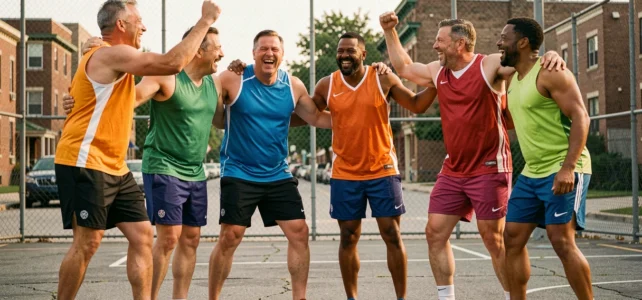
Sport fosters social integration when it is framed within a structured context, with defined objectives and shared governance between sports and social actors. Without this architecture, sporting activity remains a sporadic leisure pursuit whose effects on community ties evaporate within a few weeks.
Sports referent in social institutions: an underutilized institutional lever
The decree of July 17, 2023, following the law of March 2, 2022 aimed at democratizing sports, mandates the designation of a sports referent in social and medico-social institutions. Their mission is to connect the individuals they support with local clubs and facilities.
This system changes the intervention logic. We no longer ask those distanced from sports practice to find a suitable club on their own. The referent identifies time slots, negotiates reception conditions, and ensures follow-up.
We observe that most institutions have not yet formalized this role. The position exists on paper, but without a precise mission statement or dedicated time. As long as the referent combines this responsibility with other tasks, the connections remain superficial. As detailed in an article from Info Sport on sports and social integration, the positive impact of sports activities directly depends on the quality of institutional support.
Sports and inclusion programs: club-social structure cooperation as a success condition
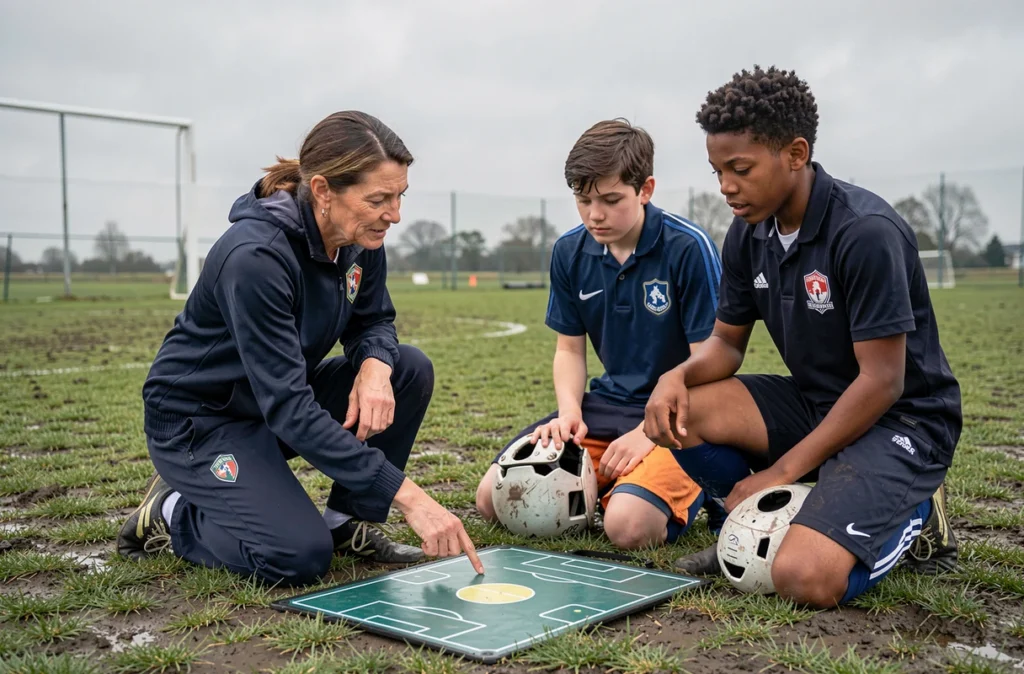
The ESMS&CLUBS program, launched by the French Paralympic and Sports Committee in 2020, is based on a simple principle: organize regular sessions rather than one-off events. This regularity transforms the relational dynamics among practitioners from different backgrounds.
An annual tournament creates emotion, not lasting cohesion. The repetition of sessions, week after week, allows athletes to get to know each other, adjust their expectations, and develop mutual trust. It is in this duration that the values of solidarity and respect cease to be slogans and become observable behaviors.
What distinguishes a structuring program from a one-off activity
- A session calendar planned over several months, with progressive objectives tailored to each group’s capabilities
- A duo of sports educator and social worker present at each session, capable of addressing both technical and relational dimensions
- An evaluation protocol that measures social effects (frequency of interactions, sense of belonging) and not just participation
- A written agreement between the club and the institution, specifying the commitments of each party
Without these elements, the program remains a good intention. Young people come two or three times, then drop out due to a lack of continuity.
Evaluating the social impact of community sports: moving beyond participant counting
Counting registrants says nothing about actual integration. The report from the Community Sport team of the Mayor of London, covering the period 2024-2026, synthesizes the lessons from five community sports projects followed over two years. The focus is on observable effects and conditions for success, not on participation volumes.
This approach marks a break from usual indicators. We recommend project leaders distinguish three levels of effect.
Three levels to measure the impact on community ties
The first level concerns attendance: do practitioners return? The second focuses on interactions: do relationships form outside the sports context? The third evaluates community anchoring: do participants engage in other collective activities in the neighborhood?
Only the intersection of these three levels allows us to determine if a sports program produces measurable social cohesion. A project can show a high attendance rate while failing to create lasting bonds, because sessions operate in silos, without connections to other socialization spaces.
Integrating youth and girls through sports: the blind spots of current programs
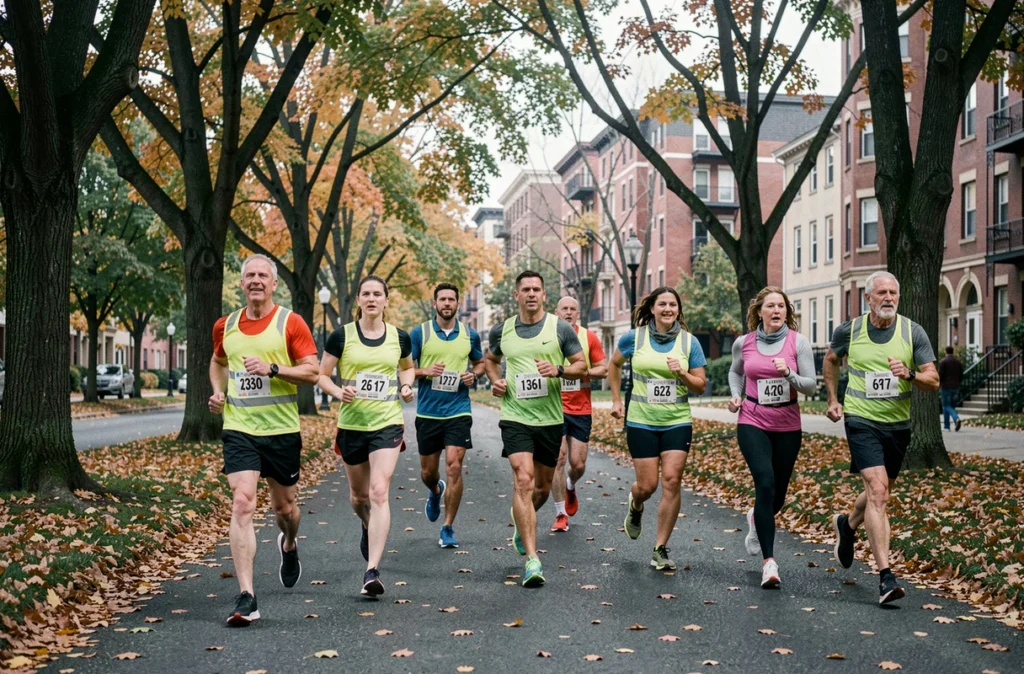
Integration programs through sports often target youth from priority neighborhoods. This focus is relevant, but it masks a recurring issue: girls represent a minority of beneficiaries in most mixed programs.
Time slots, the types of practices offered, and the composition of supervisory groups play a direct role. When a program relies exclusively on outdoor football on Saturday mornings, it mechanically reproduces access inequalities.
Diversifying the sports practices offered is not enough. The governance of projects must also be adapted. Integrating female sports educators into supervision, consulting participants on desired formats, offering non-mixed slots in addition to mixed sessions: these adjustments significantly increase girls’ participation.
- Offer at least two different disciplines per program, including one individual or small group practice
- Ensure the presence of at least one trained female supervisor at each slot
- Plan a structured exchange time after each session, separate from the locker room
These conditions are not theoretical recommendations. Programs that apply them see a sustainable increase in gender diversity in their participants.
Sports practice and the foundation of social ties: what works in the long term
Social integration through sports does not depend on the chosen discipline, but on the architecture of the project. A boxing club can foster more community ties than an inter-neighborhood football tournament if its operation includes collective living times, volunteer engagement from practitioners, and openness to families.
The social roles learned in the sports context (captain, referee, tournament organizer) constitute transferable skills to other spheres of community life. A young person who regularly referees develops a mediation capacity that extends beyond the field.
Sports promote cohesion when they step out of their bubble. Clubs that open their facilities to other associations, participate in neighborhood councils, and welcome audiences referred by social workers become network hubs. This permeability between the sports and social realms remains the most challenging and crucial condition to meet.