
France is home to nearly 80 million pets, according to data from the FACCO 2024 barometer. Behind this figure, the distribution among species tells a story that classic guides only skim over: fish account for 42% of the total, while dogs and cats make up 33%. Which species are on the rise, which are stagnating, and what do these disparities reveal about how French households live with their animals?
Cats vs. Dogs in France: The Numbers That Change the Game
The balance of power between the two most publicized pets has shifted in recent years. The 2024 data shows 16.6 million cats compared to 9.9 million dogs. The gap now exceeds six million heads.
| Criteria | Cat | Dog |
|---|---|---|
| Estimated population (2024) | 16.6 million | 9.9 million |
| Recent dynamics | Continuously increasing | Stable or slight decline |
| Typical household profile | Urban, compact housing | Suburban or rural, house with outdoor space |
| Average annual cost | Lower (care, food) | Higher (food, veterinary, boarding) |
The increase in urban households and small housing favors cats, which are considered more compatible with limited space. This shift transforms the entire ecosystem: food, veterinary services, insurance, accessory market. To discover animals on Attitude Canine, detailed profiles allow for comparing the actual needs of each species before adoption.
Post-Covid Normalization of the Pet Market
Between 2020 and 2023, adoptions surged due to lockdowns and remote work. The purchase prices of certain dog breeds sometimes doubled within months. Sector analyses show that the market has been normalizing since 2024-2025, with a slowdown in growth and more rational purchasing behaviors.
This correction has direct consequences. Shelters, which saw returns explode immediately after the end of restrictions, are still absorbing a higher volume of abandonments compared to the pre-Covid period. In contrast, the demand for specific breeds of cats and dogs is returning to more stable levels, reducing pressure on breeders.
What Normalization Changes for Owners
The prices of purebred puppies and kittens are gradually decreasing. Waiting times with registered breeders are shortening. The animal health market (veterinary consultations, insurance, dietary supplements) continues to grow, driven by a sustained increase in health spending per animal rather than an increase in the number of adopters.
Choosing a Breed: The Criteria That Guides Underestimate
Most guides direct the choice of a breed towards temperament and adult size. These two criteria matter, but they are not enough to predict the actual compatibility between an animal and its household.
- The veterinary cost over the lifespan varies significantly by breed. Some brachycephalic breeds (French bulldog, pug) incur health expenses that are significantly above average due to respiratory and joint predispositions.
- The need for mental stimulation differs as much as the need for physical exercise. An under-stimulated border collie can develop behavioral issues even with two hours of daily walks.
- Compatibility with other pets depends more on early socialization than on the breed itself. A dog raised without contact with cats before four months will have more difficulties, regardless of its genetics.
For cats, the logic is similar. A Maine Coon and a British Shorthair do not have the same space needs or tolerance for solitude. Individual temperament takes precedence over breed standards, but knowing the tendencies specific to each lineage remains a useful filter.
Animal Welfare: Beyond the Five Fundamental Freedoms
The World Organization for Animal Health defines welfare around five freedoms: freedom from hunger, thirst, fear, stress, pain, and the ability to express normal behavior. This framework, adopted by French regulations, establishes a foundation. It does not cover everything.
Enrichment of Living Environment
An apartment cat that has food, water, and a clean space meets the basic criteria. However, without a vertical scratching post, access to heights, or regular rotation of toys, it can develop signs of distress: urinary marking, compulsive licking, apathy. Environmental enrichment is an underutilized health lever by the majority of owners.
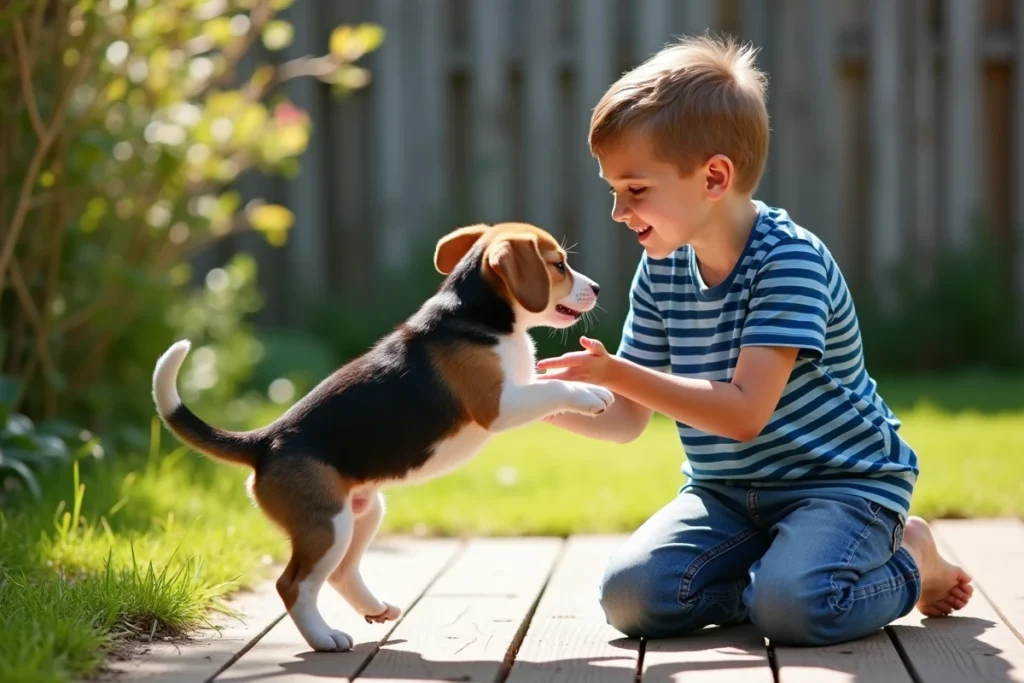
For dogs, the question arises differently. A daily walk is not enough if it consists of a leashed route on the same path. Varying environments, introducing scent work exercises, allowing free sniffing: these practices reduce stress measured by salivary cortisol markers.
Preventive Veterinary Care
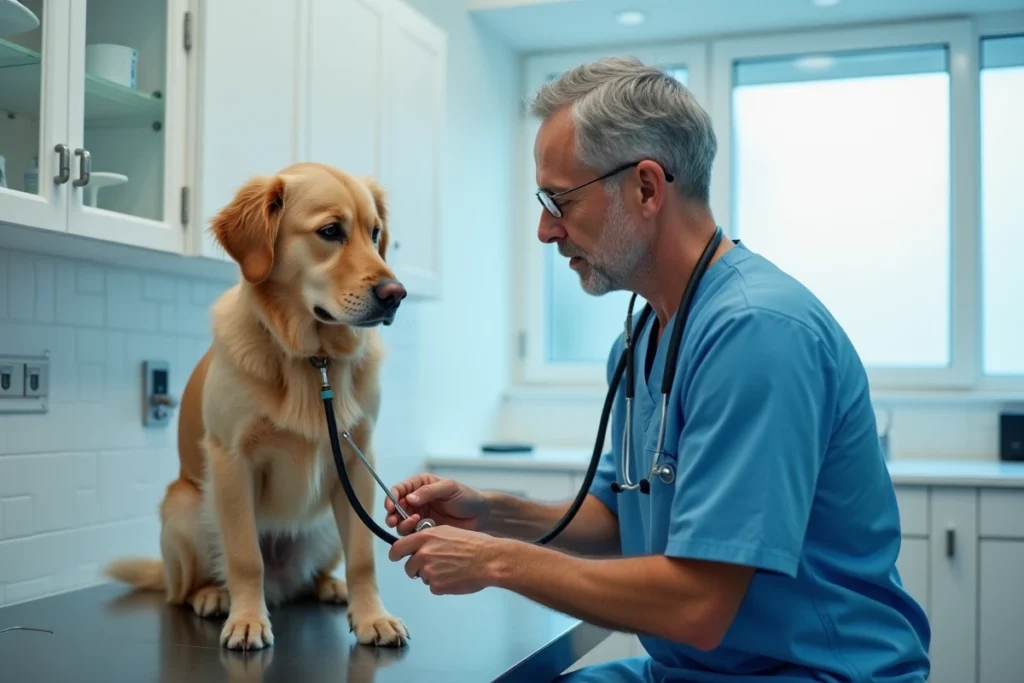
The annual visit to the veterinarian remains the recommended norm for a healthy adult animal. After eight years for a large dog (five years for giant breeds) and after ten years for a cat, a biannual check-up allows for early detection of renal, joint, or metabolic conditions. Nearly two out of three French households have at least one pet, but the frequency of consultations remains below recommendations for aging animals.
The certificate of commitment and knowledge, made mandatory before any first acquisition of a pet, aims to raise awareness among future owners about these responsibilities. Regulations also require identification (microchip or tattoo) for dogs and cats, a prerequisite for any transfer.
The key takeaway remains this: with 16.6 million cats and 9.9 million dogs, France is a country of pet owners whose health and welfare practices have not yet caught up with the scale of the phenomenon. Adapting the environment, anticipating veterinary costs, and choosing a companion based on actual lifestyle rather than a photo on social media remains the most reliable filter.