
Ecological commitment is not just about sorting waste or turning off the lights. The most structural levers are upstream of daily actions, in how we direct our purchases, our skills, and our participation in local decisions. Acting concretely for the planet means going beyond the logic of the individual “good gesture” to invest in systems that produce a measurable effect on ecological transition.
Extended producer responsibility: a more decisive lever than individual sorting
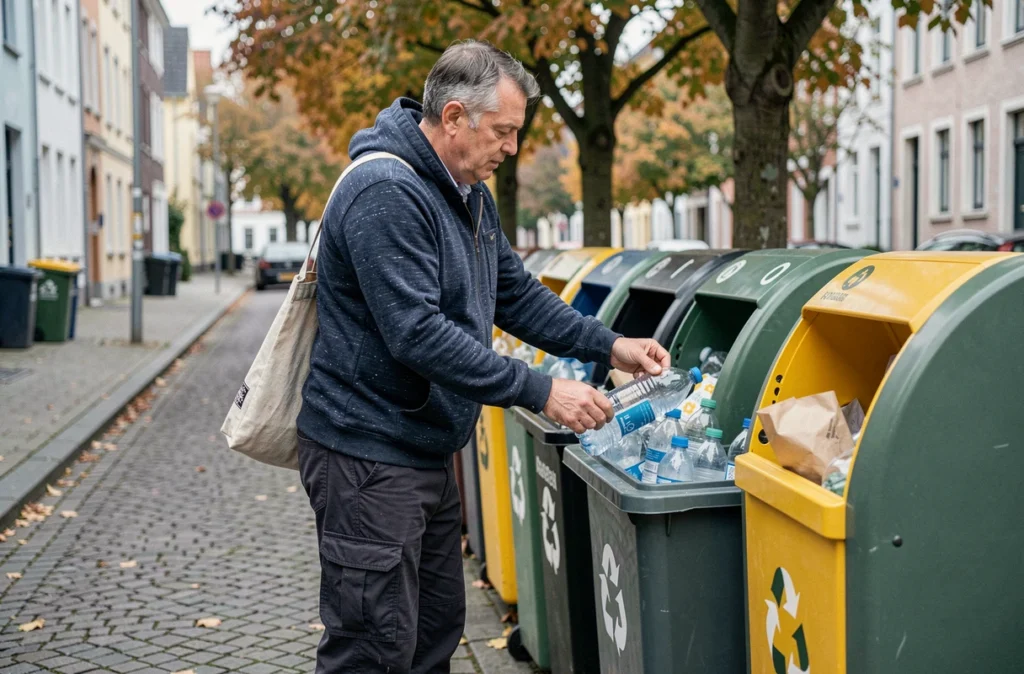
Selective sorting remains useful, but extended producer responsibility (EPR) schemes have a greater impact on waste reduction than the behavior of the final consumer. These systems require manufacturers to finance the collection, recycling, or reuse of their products at the end of their life cycle.
ADEME indicates that two new schemes will be involved in 2026, notably for sanitary textiles. This extension means that entire categories of products, previously without organized recovery solutions, will enter a structured circuit.
For the engaged citizen, the consequence is direct: directing purchases towards products covered by an active EPR scheme amplifies the effect of every euro spent. Checking for the presence of an identified eco-organization on the packaging is not a detail; it is a selection criterion that determines the material fate of the product. Documented resources are available at https://www.lalignedhorizon.org/, which addresses these environmental issues from a systemic perspective.
Participatory sciences and local biodiversity: producing data, not just good intentions
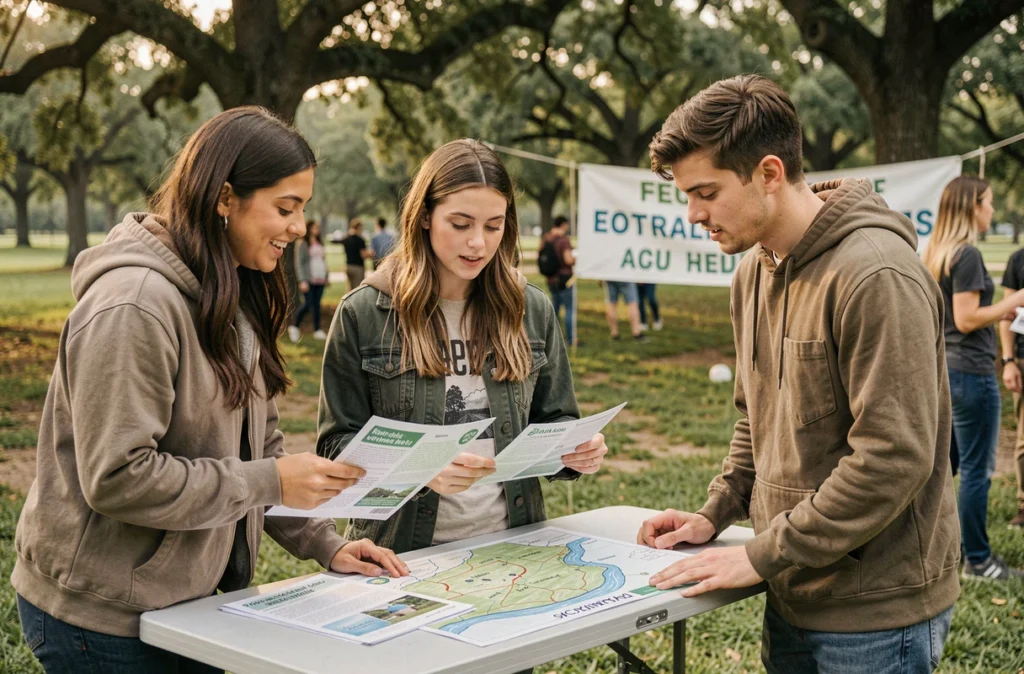
Participating in a local naturalist inventory changes the very nature of engagement. We are not talking about raising awareness here, but about producing data that can be used by local authorities to guide their urban planning or management of natural spaces.
The Community Biodiversity Atlas of Grand Guéret illustrates this logic. This program combines field inventories, public animations, school interventions, and participatory monitoring of species such as swallows. The results directly feed into local public decision-making.
What this type of program requires from the participant
Unlike waste collection, participatory science requires a protocol. Observing a species, photographing it according to a precise framing, entering data into a geolocated database: each step follows a methodology defined by the scientific coordinators.
- Identify active programs in your municipality via regional biodiversity agencies
- Follow the initial training offered by the program (species recognition, use of the data entry application)
- Respect the frequency and location of surveys so that the data is statistically usable
- Submit observations within the deadlines set by the coordinator for integration into annual reports
This level of requirement distinguishes real citizen contribution from symbolic participation. A poorly recorded survey is a lost data point for the community.
Valuing ecological commitment: skills and formal recognition
We observe a persistent blind spot in articles on citizen ecology: the question of the traceability of acquired skills. Environmental volunteering develops concrete skills (project management, scientific mediation, field logistics) that remain invisible on a traditional CV.
Two systems allow for correcting this flaw. The Citizen Engagement Account allows for acquiring training rights in exchange for documented volunteer activities. The Volunteer Passport, on the other hand, formalizes the missions carried out and the skills mobilized in a document recognized by recruiters and training organizations.
Ecological civic service: a structured pathway
Ecological civic service differs from occasional volunteering by its duration, supervision, and professionalizing dimension. It offers a regular experience within an organization (association, local authority, public institution) on missions related to ecological transition.
For individuals in career transition or at the beginning of their journey, this system acts as a bridge between personal commitment and professional trajectory. The Ministry of Ecological Transition presents it as a tool for recognizing citizen engagement, not just as an internship.
Consumption and carbon footprint: balancing spending categories
Reducing one’s carbon footprint is less about accumulating small gestures and more about making choices in three major areas: transport, food, and housing energy. A daily commute in a gasoline car weighs more heavily in the annual carbon balance than the sum of all sorted packaging over the same period.
The most effective action is to target the most emitting aspect of one’s lifestyle. For the majority of households, this is the car. Switching to an electric vehicle, adopting structured carpooling, or switching to a bike for short trips is not just symbolic: it is the choices that truly shift the curve of individual emissions.
Housing energy: beyond eco-gestures
Lowering the heating by one degree has a real effect. Thermal insulation of buildings has an even greater impact. Citizens who commit to the planet benefit from investing their energy in energy renovation assistance programs rather than multiplying low-impact individual gestures.
- Have an energy audit of the home conducted before making any renovation decisions
- Prioritize the insulation of attics and walls, which represents the most significant thermal gain
- Compare available public aid (MaPrimeRénov’, energy savings certificates) before hiring a contractor
The most concrete ecological commitment is the one that sustainably changes the structure of energy consumption, travel, and purchases. Systems exist, sectors are being structured, and local data await rigorous contributors. What is rarely lacking is the opportunity for action. What is often missing is the follow-through on the areas that truly matter.