
Daily health relies on a set of biological mechanisms that respond to repeated habits, not to one-off efforts. Santé publique France published in 2026 an updated set of recommendations combining diet, physical activity, and sedentary behavior, with two levels (simplified and detailed). This framework provides a concrete reference for structuring life choices without falling into approximation.
Sedentary Lifestyle and Health: What the New French Recommendations Change
The 2026 recommendations from Santé publique France do not just repeat that one must move. For the first time, they incorporate the fight against sedentary behavior as a distinct axis of physical activity. In other words, exercising three times a week does not compensate for eight hours spent sitting in front of a screen.
The simplified level targets individuals who are distant from prevention messages. The detailed level offers precise guidelines on durations, types of effort, and active breaks to integrate into the day. This dual approach allows everyone to adapt their pace without feeling guilty.
For those who wish to delve deeper into these topics, discovering health on Acte Santé provides a useful thematic entry on the different dimensions of well-being.
Psychosocial Risks at Work: An Issue of Daily Health
Work-related stress is not just a temporary nuisance. The European Agency for Safety and Health at Work (EU-OSHA) published a comparative report in August 2026 on the prevention of psychosocial risks in Europe. This document analyzes national strategies, regulatory obligations, and feedback from several European countries.
Stress, Mental Load, and Isolation in Remote Work
The report identifies chronic stress, excessive mental load, internal violence, and isolation related to remote work as the main risk factors. These elements degrade health well beyond the professional framework: sleep disorders, muscle tension, persistent anxiety.
Social dialogue and training for supervisors emerge as the most effective levers. A corporate culture that integrates prevention sustainably reduces absenteeism. Regulation alone is not enough if managerial practices do not follow suit.
Concrete Prevention at the Workplace
Several lessons from the EU-OSHA report apply directly:
- Identify overload situations before they become chronic, through regular interviews and not just annual questionnaires
- Train managers to spot weak signals (social withdrawal, irritability, decreased concentration) rather than waiting for a sick leave
- Create spaces for real disconnection during the day, including for remote workers who have no physical boundary between professional and personal life
Nutrition and Natural Products: Distinguishing Trend from Effectiveness
Ultra-processed foods constitute the main blind spot of current diets. The recommendations from Santé publique France emphasize reducing these products, which often contain additives, salt, and sugars in quantities that are not visible at a quick glance at the label.
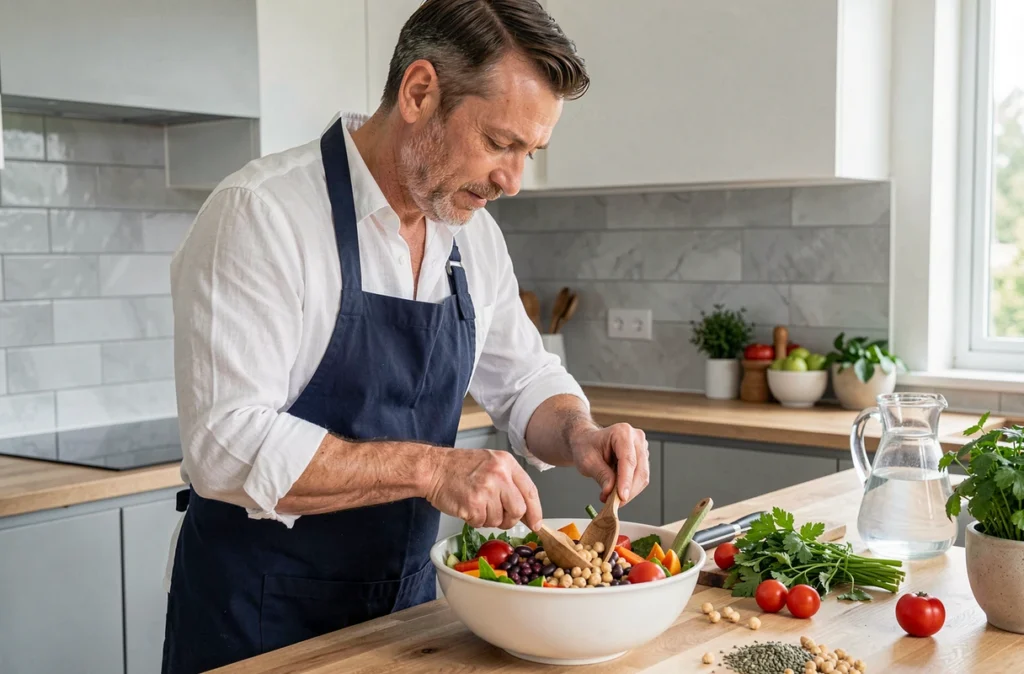
The trend towards natural products and homemade recipes is gaining ground. Prioritizing raw foods (legumes, whole grains, seasonal fruits and vegetables) remains the most reliable strategy to limit the risk of metabolic diseases.
Dietary Supplements and Weight Loss Solutions: Caution
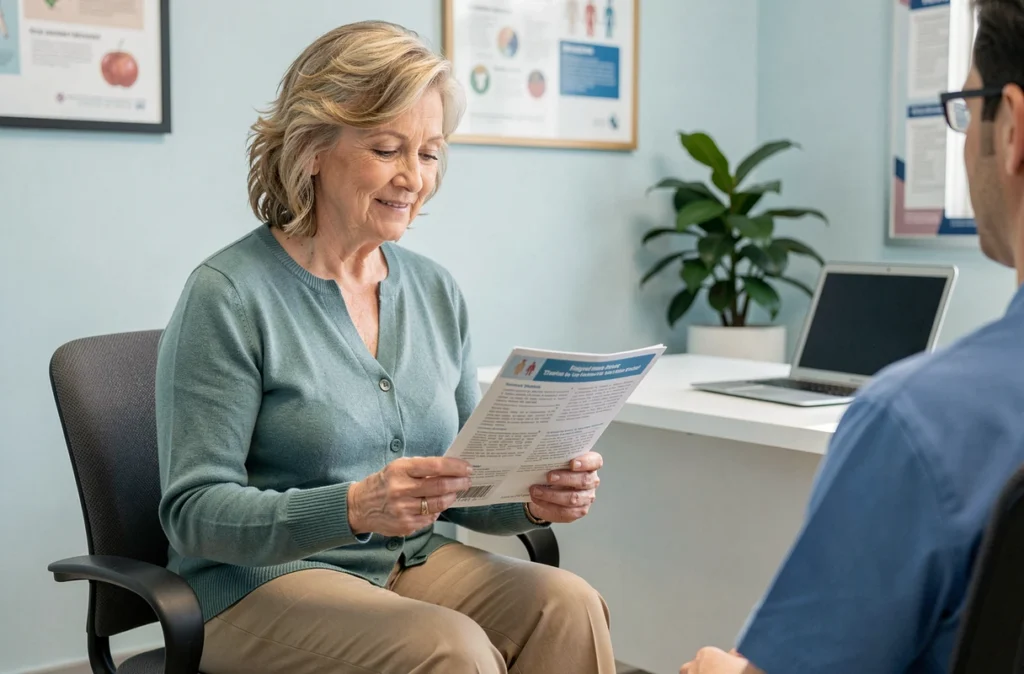
The market for supplements and weight loss solutions is booming, driven by promises that are rarely substantiated. A dietary supplement does not replace a balanced meal. Before any purchase, checking that the product has market authorization and does not contain prohibited substances is a basic reflex.
The recipes and nutritional guides circulating online vary significantly in quality. Institutional sources (Santé publique France, WHO) remain the most solid references for arbitrating between trendy diets and validated eating practices.
Physical Activity and Stress Management: Two Linked Pillars
Physical activity directly affects the regulation of cortisol, the stress hormone. This biological link explains why a brisk thirty-minute walk produces a measurable effect on anxiety, while an intense but isolated session does not sustainably alter stress levels.
Gentle practices (yoga, pilates, breathwork) are experiencing marked enthusiasm in 2026. Their interest lies in the combination of moderate physical effort and breathing work that activates the parasympathetic nervous system. This is not a passing trend: data on heart coherence and controlled breathing have been accumulating for several years.
Digital Detox and Sleep Quality
Overexposure to screens disrupts melatonin production and degrades sleep quality. Reducing the use of digital devices in the hour before bedtime significantly improves falling asleep.
Sleep is the foundation upon which all other pillars of health rest. Without sufficient recovery, neither balanced nutrition nor physical activity produce their intended effects. Digital detox, far from being a gadget, is a simple lever to restore regular sleep cycles.
Daily health is not just a list of good resolutions. The European regulatory frameworks on psychosocial risks, the updated French recommendations on sedentary behavior and nutrition, the data on the link between breathing and stress: these elements outline an approach where each repeated action matters more than a spectacular effort abandoned after three weeks.