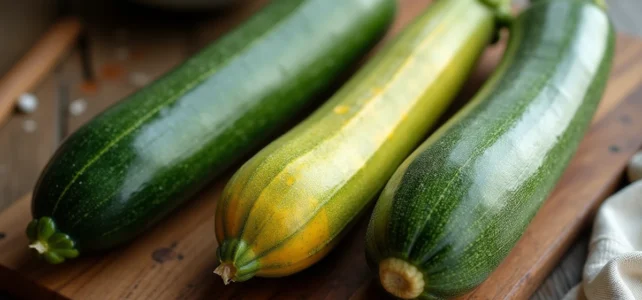
Vegetable cucurbits sometimes hold a nasty surprise: a zucchini that looks normal but releases a pronounced bitter taste at the first bite. This taste signal indicates the presence of cucurbitacins, toxic compounds naturally produced by certain squashes. Each summer, cases of food poisoning related to these substances are reported, including with zucchinis from home gardens.
Understanding the mechanisms behind this bitterness and knowing how to detect it before serving the dish helps eliminate a real health risk.
Cucurbitacins in zucchini: a toxin that neither washing nor cooking eliminates
The bitterness of a zucchini is not just a simple flavor defect. It signals the presence of cucurbitacins, thermostable toxic molecules. In other words, sautéing the zucchini, baking it, or preparing it as soup does not destroy these compounds.
Washing is equally ineffective. Cucurbitacins are present in the flesh of the fruit, not just on the surface. A bitter zucchini remains dangerous regardless of the preparation method.
This point clearly distinguishes this risk from other common food issues, where cooking is sufficient to neutralize the pathogen. Here, the only reliable protection remains detection beforehand, before the dish is consumed. To know how to tell if a zucchini is bitter, the taste test at the time of preparation remains the most direct method.

Water stress and heatwave: why a zucchini becomes bitter without visible signs
Most varieties of zucchinis sold in seed shops or garden centers have been selected not to produce cucurbitacins under normal conditions. The problem arises when the plant undergoes intense stress.
The most documented factor is brutal water stress, especially during periods of extreme heat. This is not simply a prolonged lack of water: it is the rapid alternation between waterlogged soil and dry soil that triggers the production of cucurbitacins in the fruit.
Specifically, a garden that is abundantly watered and then left without water for several days during a heatwave creates ideal conditions for a previously sweet zucchini to become toxic, without any change in external appearance. The fruit retains its usual color, shape, and texture.
Zucchinis left too long on the plant accumulate risks
A second aggravating scenario involves fruits that remain on the plant too long during hot weather. When a zucchini reaches a large size on an overloaded plant already suffering from water stress (wilted or yellowing leaves), the probability of bitterness significantly increases.
Two risk factors then accumulate:
- The plant mobilizes its chemical defenses in response to stress, which promotes the synthesis of cucurbitacins in the still-attached fruits
- A large fruit has had more time to accumulate these compounds, especially if the nights remain warm
- Late harvesting prevents the renewal of the plant, which concentrates its resources in the existing fruits instead of producing new ones
Harvesting zucchinis young and regularly, at a moderate size, significantly limits this risk.
Seeds collected from the garden: the hybridization trap with decorative squashes
Another mechanism, less immediate but equally dangerous, concerns gardeners who collect their own seeds from one year to the next. Cucurbits easily cross-pollinate among closely related varieties. If decorative squashes or gourds grow nearby, hybridization can reintroduce the gene for cucurbitacin production in the next generation.
The result is only visible at harvest time, sometimes a year later. The zucchini from these hybridized seeds looks exactly like a normal zucchini but may contain high levels of cucurbitacins.
The Anses reminds us not to confuse decorative squashes with edible squashes and not to consume squash bought for decoration. Ornamental squashes are naturally high in cucurbitacins and are not subject to the same selection criteria as food varieties.
Recognizing a bitter zucchini before serving it: the test not to skip
The absence of reliable visual signs makes detection tricky. A bitter zucchini typically shows no abnormal color, no particular smell, and no suspicious texture. Taste remains the only accessible indicator for the consumer.
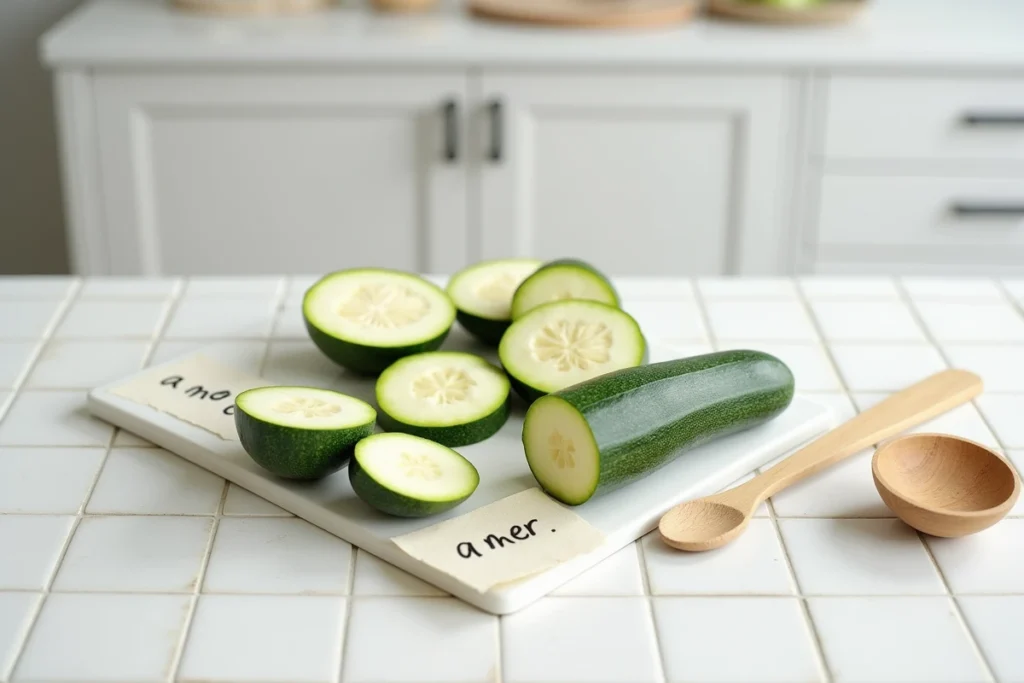
The simplest method is to taste a small piece of raw zucchini before any preparation. The bitterness of cucurbitacins is clear and immediate, very different from the slight herbaceous taste of a fresh zucchini. If the piece is bitter, the entire fruit should be discarded without hesitation.
Symptoms after consuming a bitter zucchini
If consumed despite the bitterness, symptoms usually appear within hours:
- Abdominal cramps and sometimes severe digestive pain
- Diarrhea that can lead to rapid dehydration
- Nausea and vomiting, which are actually a defensive reaction of the body
These digestive issues may require medical attention, especially in elderly people or children. Do not force the consumption of a dish with suspicious-tasting zucchinis, even if the rest of the preparation seems normal: cucurbitacins diffuse throughout the entire dish.
Precautions in the garden and when buying to limit the risk of bitterness
In the garden, regular and consistent watering during hot periods significantly reduces the likelihood of bitterness. Avoiding water shocks is more important than the total amount of water provided. Harvesting zucchinis at medium size, before they grow excessively, is another effective precaution.
For seeds, favor certified seeds rather than collected seeds from the garden to eliminate the risk of unintentional hybridization with bitter or decorative varieties. If other ornamental cucurbits grow nearby, cross-pollination remains possible even at several dozen meters away.
When buying in stores or at markets, the risk is lower because commercial varieties are selected for their lack of bitterness. However, it is not zero, especially in cases of unfavorable growing conditions for the producer. The reflex to taste a small piece raw before cooking remains relevant in all cases.