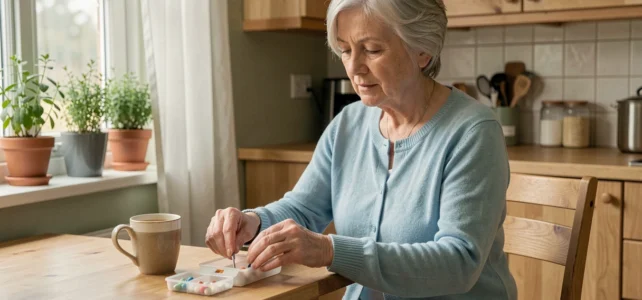
The well-being of seniors relies on a set of measures that go far beyond traditional lifestyle advice. Since March 2026, a decree (n° 2026-191 of March 18, 2026) regulates a national program for the early detection of loss of autonomy, based on the ICOPE protocol from the WHO. This program targets individuals aged 60 and over, with a goal of screening 2 million seniors by 2027.
Health solutions for seniors are now structured, combining medical prevention, connected technologies, and home support.
ICOPE Screening: six abilities assessed in ten minutes
The ICOPE program is based on identifying six key functional abilities: locomotion, nutrition, mental health, cognition, hearing, and vision. The assessment lasts about ten minutes and can be conducted through self-assessment, with a healthcare professional, or with a caregiver.
In the absence of alerts, follow-up is recommended every six months. This frequency allows for the detection of decline before it becomes irreversible, where traditional health assessments often intervene too late.
For seniors who wish to compare health insurance and prevention offers tailored to their profile, it is possible to access the seniors page of Tranquilité Santé to identify the most relevant guarantees in light of these new screening pathways.
This free system transforms prevention into a mass policy. It is no longer about general recommendations, but rather a standardized pathway governed by the public health code.

Teleassistance and connected devices in seniors’ homes
Maintaining autonomy at home requires detecting risky situations in real-time. Teleassistance devices have evolved far beyond the simple alert pendant. Sensors installed in the home now analyze movement habits and detect anomalies (prolonged absence of movement, non-opening of the refrigerator, fall detected by accelerometer).
These connected solutions send alerts to a monitoring platform or directly to caregivers. They allow for rapid intervention without the senior needing to press a button, which is crucial in case of loss of consciousness.
Environmental sensors and remote monitoring
“Connected bed” sensors or presence detectors in living spaces provide an additional layer. They measure sleep quality, the frequency of nighttime awakenings, and can signal a gradual deterioration in mobility.
A passive and continuous monitoring reduces the response time in case of an incident. This type of device is particularly aimed at individuals living alone, for whom an undetected fall can have serious consequences within hours.
Fall prevention: balance exercises and home adaptation
Falls are one of the leading causes of loss of autonomy among the elderly. Prevention combines two complementary approaches: physical strengthening and environmental adaptation.
- Balance exercises (proprioceptive training, heel-to-toe walking, chair rises without support) practiced regularly improve postural stability and reduce the risk of falling
- Home adaptation involves removing obstacles from the floor, installing grab bars in the bathroom and toilet, and ensuring adequate lighting in nighttime passage areas
- Collective prevention workshops, funded by the commissions of funders for the prevention of loss of autonomy, offer programs supervised by physiotherapists or instructors in adapted physical activity
The decree of July 28 regarding prevention appointments for those aged 60-75 now includes physiotherapists in the system. This assessment helps identify physical frailties and guide towards an appropriate program before an accident occurs.
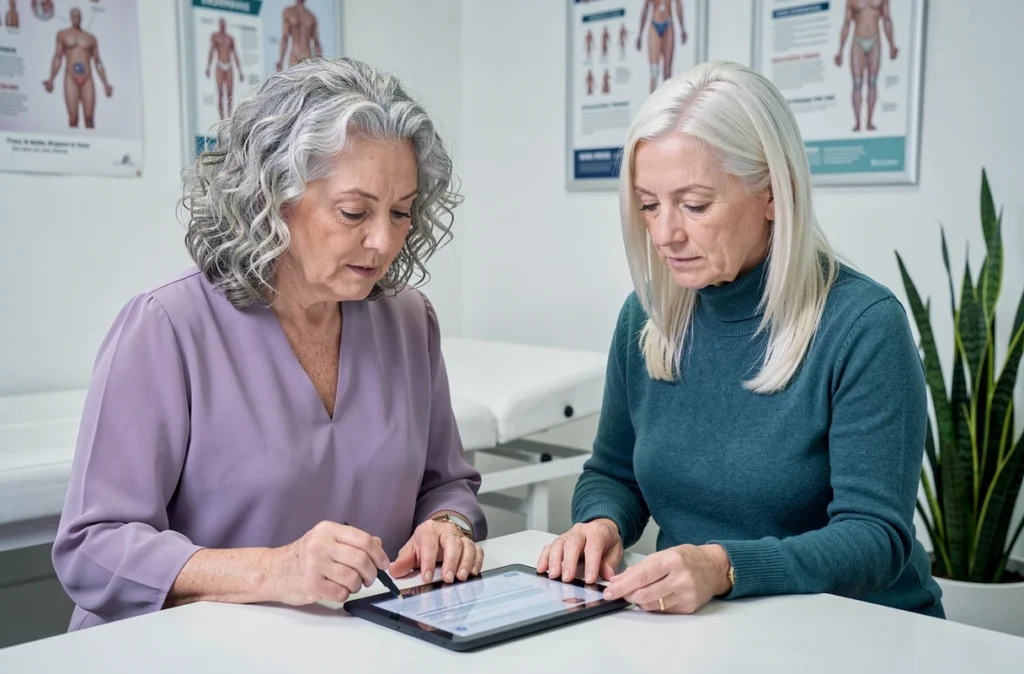
Mental health and social connection: two underestimated pillars of senior well-being
Social isolation accelerates cognitive decline and promotes depressive episodes. Collective activities (memory workshops, walking groups, cultural activities) have a direct impact on seniors’ mental health, just like medical treatment.
The ICOPE program indeed includes mental health and cognition among its six assessed abilities. This choice reflects a shift in approach: the prevention of depression is part of the care pathway, not an optional supplement.
Digital therapies: an emerging avenue
Digital therapy solutions are beginning to become available in France to support seniors facing depressive symptoms. These programs, accessible online, complement traditional medical follow-up without replacing it.
Their appeal lies in accessibility: a geographically isolated or mobility-impaired senior can follow a structured program from home. Access to mental health care no longer solely depends on the proximity of a specialist.
Quality of life at home: coordinating prevention and medical care
The quality of life for seniors relies on coordination between the primary care physician, paramedical professionals, caregivers, and technological devices. The ICOPE screening, prevention assessments, and teleassistance form a coherent whole as long as they are articulated around individualized follow-up.
The funding commissions, present in each department, can finance part of the teleassistance equipment, home adaptations, and prevention workshops. These aids remain underrecognized, even though they cover significant expense items for elderly individuals with modest incomes.
Maintaining home conditions requires anticipating needs rather than reacting to crises. The tools exist, the regulatory framework is being structured, and the territorial network of prevention measures is gradually strengthening across the entire territory.