Rediscover your space through interior decoration tips in Ivry-sur-Seine, guided by local architectural expertise.
Inspirations and Trends in Interior Architecture in Ivry-sur-Seine
The Fundamentals of Ivry’s Interior Architecture
In Ivry-sur-Seine, interior architecture blends local history and modernity. The Interior Decoration and Design Ivry-Sur-Seine by Architecture Experts. These architects draw inspiration from figures such as Pierre Contant d’Ivry, a recognized rococo and neoclassical builder, to create balanced spaces that reflect an unparalleled cultural richness. Understanding the importance of architectural heritage, today’s professionals favor classic touches while integrating contemporary elements.
The duality between the old and the new is evident in the choice of materials, such as dressed stone juxtaposed with sleek metal structures. This approach creates a sense of dialogue between eras, offering unique and personal interiors. Local architects also consider the city’s natural light to sculpt warm and inviting atmospheres.
Balance is a key principle. Interior designers in Ivry-sur-Seine aim to create spaces that are neither too cluttered nor too minimalist. They prioritize functionality without sacrificing aesthetics, choosing clean lines that maximize space usage without overcrowding. This allows for interiors that are both beautiful and practical, catering to contemporary lifestyles.
Innovation and Sustainability: Responsible Interior Architecture
Current trends in interior architecture in Ivry-sur-Seine include a growing concern for the environment and the sustainability of materials. Decoration professionals seek eco-friendly solutions, opting for renewable or recycled materials and construction techniques that reduce carbon footprints. The concept of a “healthy home” is taken seriously here, avoiding materials that emit harmful compounds.
Technology also merges with tradition to offer smart and connected spaces. Architects integrate home automation to enhance daily comfort while optimizing energy consumption. These innovations range from automated lighting to intelligent heating and cooling systems.
In Ivry-sur-Seine, architects adopt a holistic approach designed for the well-being of occupants. This is also expressed through the incorporation of indoor green spaces that purify the air and bring a touch of nature indoors. Plants are not just decorative; they are essential for a healthy and vibrant indoor environment.
The Brilliance of Minimalism and Simplicity
Minimalism plays an important role in Ivry’s interior architecture. The trend is towards clear lines and simple shapes that create an impression of more space and light. The use of neutral colors enhances this sense of openness while allowing rooms to transition and evolve with time and personal tastes.
The furniture selected by interior designers in Ivry-sur-Seine often echoes this simplicity, choosing pieces that are both functional and timeless in design. This does not mean that interiors lack character; on the contrary, the thoughtful selection of a few strong design elements imparts personality and depth to the spaces.
Attention is focused on comfort and ergonomics, with furniture that supports the body and enhances daily living experiences. This includes sofas with good lumbar support, chairs that encourage healthy posture, and tables at appropriate heights for various activities.
Integration of Art and Local Culture in Decoration
Interior architecture in Ivry-sur-Seine is not just about functionality and style; it also seeks to reflect the cultural identity of its occupants. The integration of local artworks or handcrafted pieces is a common practice to give soul to the interior. Architects encourage their clients to choose works that resonate with them and tell a story.
Highlighting local art is also achieved through strategic lighting and placement of artworks. Specific fixtures can be installed to draw attention to a sculpture or painting, creating visual focal points that punctuate the space.
Moreover, collaborating with local artisans and artists allows for custom pieces, ensuring that each space is authentically Ivry. Interior designers promote support for local creators, enriching projects with personal and original touches.
Friendliness at the Heart of the Dining Room
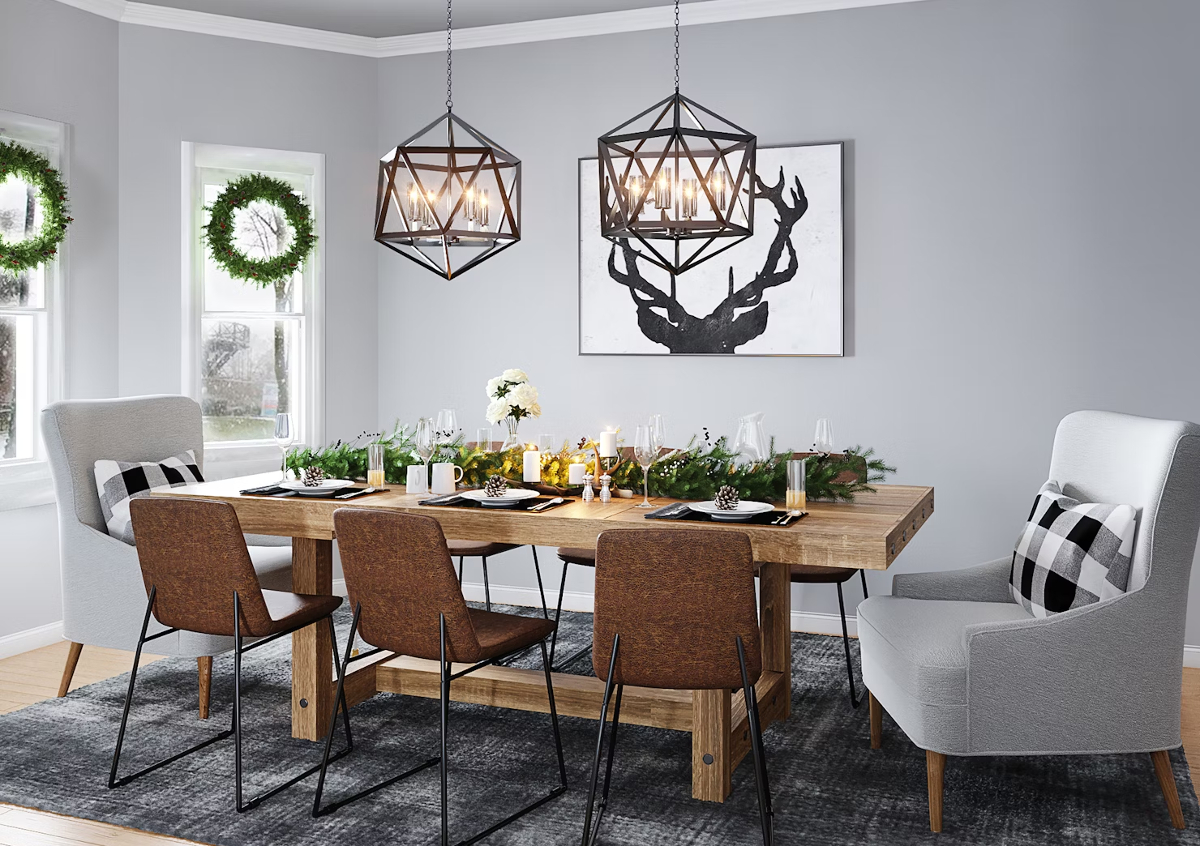
The dining room is often the heart of the home in Ivry-sur-Seine, a place for conviviality and sharing. Interior designers focus on creating a welcoming space where friends and family can gather. To achieve this, they prioritize selecting spacious tables that encourage interaction and exchange.
Lighting choices enhance this atmosphere of warmth and friendliness. Modern pendants or adjustable sconces provide light that adapts to the desired mood, whether for an intimate dinner or a large family gathering. Flexibility is a key element allowing spaces to adapt to different uses.
Finally, the arrangement of seating and access to service areas is designed for comfort and ease of movement, allowing for smooth and uninterrupted service. Details such as tableware and table decoration are also considered by interior designers to complement the overall aesthetic and ensure that the dining experience is as pleasing to the eye as it is to the palate.
Living Spaces: Harmony and Versatility
Living spaces in Ivry-sur-Seine must be both harmonious and versatile to adapt to the multiple facets of daily life. Interior designers create places where one can relax, work, and play. The use of modular furniture and smart storage solutions helps maintain order and clarity in the space.
Defining zones within a large space is done subtly, using rugs or level differences rather than closed walls. This maintains a sense of openness while delineating the functions of each part of the room. Aesthetics are never sacrificed for function; both must support each other.
Textiles play an important role in creating comfortable and welcoming spaces. Interior designers select fabrics that withstand trends and are both beautiful and practical, such as soft velvets for sofas or natural linens for curtains. Every detail is chosen to contribute to a coherent overall ambiance, inviting well-being.
The Secrets of a Perfectly Arranged Table by the Pros
Understanding the Fundamentals of a Harmonious Table
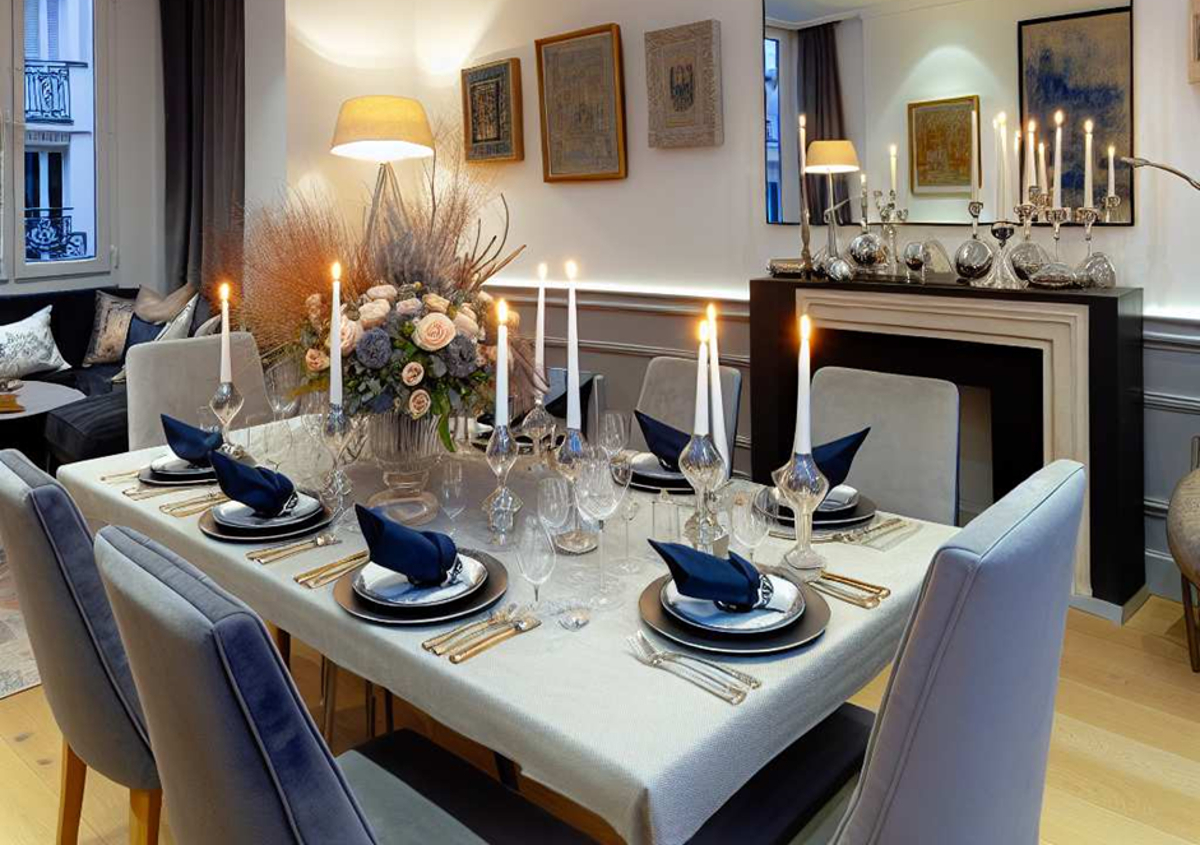
A perfectly arranged table starts with a solid foundation of design and functionality. The architects and designers agree that balance is key to an appealing table. They recommend starting with the choice of a tablecloth or runner that complements the overall ambiance of the space.
The placement of each element on the table should be intentional, aimed at facilitating interaction and conviviality. It is essential to marry aesthetics with function by placing cutlery, glasses, and plates in a way that encourages a natural flow of sight and movement.
Lighting also plays a crucial role. It should highlight the table without dazzling guests. Professionals in Ivry-sur-Seine, for example, often exploit the interplay of shadows and light to create a warm atmosphere around the table.
The selection of tableware and glassware is a step where the expertise of designers can greatly contribute to the harmony of the table. In Ivry-sur-Seine, pros tend to choose pieces that reflect the host’s personality while remaining consistent with the overall theme of the space.
Leave your guests amazed with the use of unique coasters or placemats that add a touch of sophistication. Avoid visual overload by opting for patterns and colors that complement rather than dominate your arrangement.
Do not overlook details such as napkin rings and place cards that can transform a simple gathering into a memorable experience. Pros advise subtly matching them to the rest of the decor for a cohesive overall effect.
The Importance of Decorative Elements in Table Arrangement
Decorative elements play a fundamental role in the art of the table. They reflect your attention to detail and your desire to create a welcoming environment. Include elements like candles or vases, always respecting the balance between aesthetics and practicality.
Alongside architects and designers in Ivry-sur-Seine, integrating nature into a table can be enhanced by adding small branches, flowers, or seasonal fruits as vibrant and colorful centerpieces.
Carefully chosen table accessories speak to your personal style and enhance the desired overall theme. Consider using elements that have a story or special significance, as this can engage conversation and add a personal dimension to your table.
Table mats made from natural materials, refined fabric napkins, and even place cards can become decorative elements. They should harmonize with the decor while respecting the comfort of guests.
Consider the center of the table as the focal point. This is where different design elements and textures can meet to form an eye-catching ensemble without disrupting the arrangement of cutlery and visibility between guests.
According to renowned designer Mathieu Lehanneur, including artworks or design elements can add a level of sophistication. The important thing is to ensure that these pieces remain connected to the overall ambiance of the room.
Aligning Table Art with Space Design
In the world of design in Ivry-sur-Seine, the arrangement of a table is often conceived in harmony with the surrounding interior space. This involves leveraging the predominant colors, textures, and styles of the room to create a dialogue with the table arrangement.
Using textiles, such as tablecloths or napkins, offers an opportunity to link the table to the rest of the interior. It is often recommended to choose fabrics that echo the shades or patterns present in the home decor.
When selecting decorative objects, think about their visual impact and how they integrate into the overall design of your interior. A uniquely designed vase or elegant candlesticks can resonate with other decorative elements in your home.
Designers emphasize the importance of flexibility in the art of the table. Consider the occasion, whether it is a formal dinner or an informal gathering, and adjust the level of formality of your table accordingly.
The synergy between the table and the space is essential. Thus, a table with an industrial aesthetic could fit perfectly in a modern loft, while a rustic table would be more at home in a country or traditional setting.
Finally, do not forget the importance of ergonomics. Pros take into account the available space and ease of movement around the table to ensure that the experience is as comfortable as it is visually pleasing.